
WHERE THE
GANGA
MEETS THE PLAINS
A City Of Fire And Water, Devotion
And Disorder — Receiving Pilgrims,
Wanderers And The Curious For
More Than Two Thousand Years.
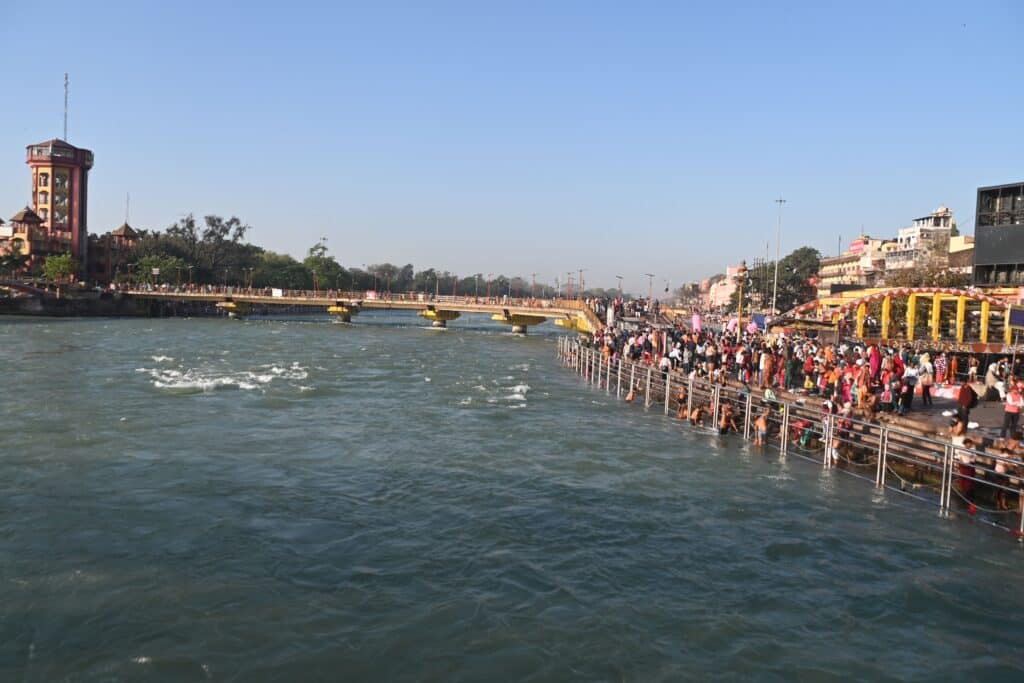
A Place Where The
River Remembers
Everything
Long Before The Sun Clears The Shivalik Hills,
Haridwar Is Already Awake.
Bells Ring From Temple Towers. The Smell Of Marigolds, Incense, And Cold River Water Drifts Through Narrow Lanes. Down At The Ghats, Pilgrims Are Already Standing Chest-Deep In The Ganga — Eyes Closed, Palms Open To The Current.
Haridwar — One Of The Seven Sacred Cities Of Hinduism — Sits At A Unique Geographic And Spiritual Threshold. This Is Where The Ganga Descends From The Mountains And Spreads Across The Northern Plains For The First Time. For Centuries, It Has Been One Of The Most Important Pilgrimage Destinations On Earth. Today It Receives More Than Ten Million Visitors Each Year — From Devout Hindus Completing A Lifelong Journey To Photographers Hunting The Perfect Aarti Shot, From Yoga Seekers And Backpackers To Families Observing Ancestral Rituals At The River's Edge.
What Makes Haridwar Different From Other Sacred Cities Is The Energy. It Is Not Quiet Or Contemplative. It Is Full, Loud, And Alive In A Way That Is Difficult To Prepare For. The Ghats Are Crowded From Dawn. Temple Queues Stretch Around Corners. Priests Chant, Vendors Call Out, And The Bells Never Quite Stop.
Yet Somehow, In The Middle Of All This, There Are Moments Of Extraordinary Stillness — A Lamp Floating Downstream At Dusk, A Face Tilted Toward The Evening Sky At Aarti Time, The River Doing What It Has Always Done.
"Haridwar Is Not Somewhere You Simply Visit. It Is Somewhere You Arrive — And Then Recalibrate."
This Guide Is For Everyone Planning Time In Haridwar — Whether You Have A Single Afternoon Or A Full Week. It Covers The Places Worth Visiting, The Experiences Worth Prioritising, The Food Worth Eating, And The Practical Details That Make The Difference Between A Smooth Trip And A Frustrating One.
If Rishikesh Is Where The Ganga Slows Time Down, Haridwar Is Where Its Story Began. The Two Cities Are 24 Km Apart — And Most Travellers Visit Both.
Quick Overview
Pro Tip — Combine Haridwar With Rishikesh For A 4 – 5 Day Uttarakhand Trip. The Two Cities Are 24 Km Apart And Connected By Frequent Shared Autos.
Why Haridwar Deserves
More Than A Day
Most Travellers Treat Haridwar As An Overnight Stop.
That Is A Mistake.
The City Has A Texture That Takes Time To Read — The Rhythm Of Prayer And Commerce, The Weight Of History Sitting Lightly On Very Old Stone. Haridwar Rewards Those Who Linger.
Spiritually, Haridwar Is One Of Four Sites Where Drops Of The Nectar Of Immortality — Amrit — Are Said To Have Fallen During The Great Churning Of The Cosmic Ocean. This Is Why The Kumbh Mela, Held Here Every Twelve Years, Draws Tens Of Millions Of Pilgrims — One Of The Largest Human Assemblies On Earth. The Next Full Kumbh Mela In Haridwar Is Scheduled For 2033.
Beyond Its Religious Identity, Haridwar Is The Gateway To Uttarakhand's Himalayan Interior. Rishikesh Is 24 Kilometres Upstream. Beyond That Lie The Trekking Valleys Of Chopta And Kedarnath, The Confluence Town Of Devprayag, And The High Passes That Lead Toward Tibet. Haridwar Is Where Most Himalayan Journeys Begin — And Where Many Pilgrims Complete Them.
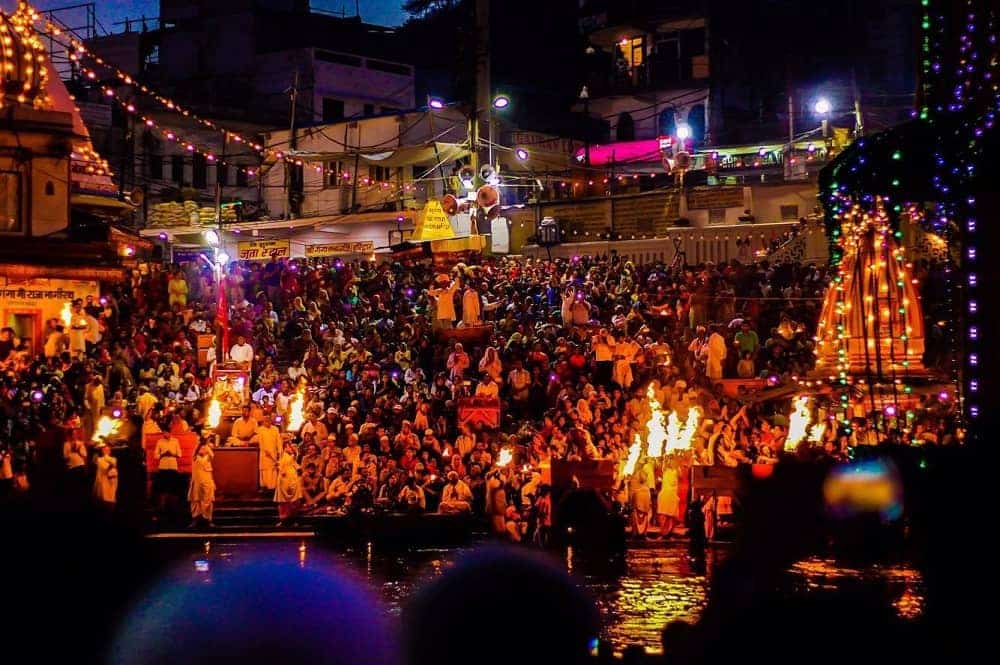
A Centuries-Old Devotional Fire Ceremony Performed Every Single Evening At Har Ki Pauri. Not A Show. Not A Performance. The Real Thing.
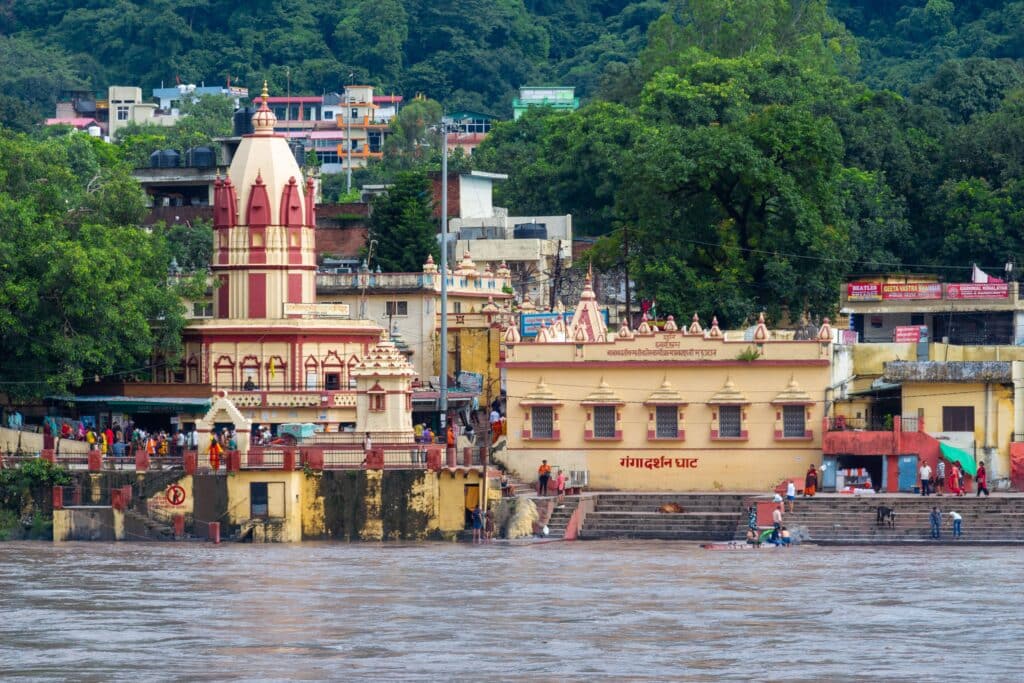
Tiered Stone Steps Descending Into The Green Ganga, Lined With Temples And Shrines — The Most Sacred River Bathing Site In India.
Mansa Devi And Chandi Devi — Two Ancient Shakti Temples On Opposite Hills, Connected By Ropeway With Panoramic Valley Views.
The Starting Point For Char Dham Yatra, Rishikesh, Chopta, Deoria Tal, And The Entire Garhwal Himalayan Circuit.
One Of The Four Sacred Kumbh Sites — Hosting The Largest Human Gathering On Earth Every Twelve Years.
Pilgrims, Priests, Sadhus, And Street Vendors — A Two-Thousand-Year-Old Way Of Life Still Fully Intact.
For Travellers Who Are Not Pilgrims, The City Offers Something Rarer: Direct, Unmediated Contact With One Of The World's Oldest Living Religious Traditions. The Aarti Ceremony Is Not Staged For Tourists. It Has Been Performed At This Ghat, In Essentially The Same Form, Every Evening For Centuries.
Best Time To
Visit Haridwar
Haridwar Can Be Visited Year-Round.
But The Experience Varies Considerably By Season.
Temperature, Crowd Levels, And The Rhythm Of Festival Life All Shift Across The Calendar. Here Is What Each Season Actually Feels Like — Crowds Included.
Temperatures Rise To 38 – 40°C By May. Crowds Are Moderate. Good For Temple Access Without Peak-Season Pressure. Start Days Early And Rest At Midday.
Heavy Rainfall From July. The Ganga Rises Dramatically — Potentially Dangerous For Bathing. Fewer Visitors. Rich Green Landscape And An Atmospheric, Moody Mood.
Cool And Clear, 5 – 20°C. Peak Festival Season Including Kartik Purnima. Sharp Light, Comfortable Walking Weather. The Best Overall Window To Visit.
RecommendedOctober To Early December Is The Sweet Spot — The Monsoon Has Cleared, The Light Is Clean, Festival Calendars Are Full, And The Cold Has Not Yet Made Early Mornings Uncomfortable. If The Kumbh Mela Is Not Your Goal, Avoid Late January To March In Major Pilgrimage Years When Crowds Become Extreme.
How To Reach
Haridwar
Well-Connected By Rail, Road, And Air —
Haridwar Is One Of The Easiest Himalayan
Gateway Cities To Reach From Across India.
The Closest Airport Is Jolly Grant Airport In Dehradun, Approximately 35 Kilometres From Haridwar City Centre. It Is Well-Connected With Delhi, Mumbai, And Bangalore Via IndiGo And Air India.
From The Airport, Taxis Take Around 45 Minutes To An Hour Depending On Traffic. Pre-Booked Cab Fare Is Typically ₹600 – ₹900. The Flight From Delhi Takes Just 40 Minutes.
Book A Cab In Advance Via Ola Or Your Hotel. Airport Queue Taxis Often Charge Higher Rates. Factor In Airport Transit Time When Planning Connections.
Haridwar Junction (Station Code: HW) Is One Of The Best-Connected Stations In Uttarakhand. Multiple Daily Trains Operate From New Delhi, Including The Shatabdi Express (3.5 Hours) And Dehradun Express. From Mumbai And Kolkata, Overnight Trains Connect In 14 – 18 Hours.
The Station Is Centrally Located — Most Guesthouses And Ashrams Are Within 2 Kilometres Of The Platform. Train Travel Is The Preferred Option For Most Travellers From Delhi.
Book Via IRCTC Well In Advance — Especially October To February When Seats Fill Quickly. The Jan Shatabdi Express From Delhi Is A Comfortable Daytime Option That Arrives In Good Time For The Evening Aarti.
Haridwar Sits On National Highway 334B And Is Well-Connected By Road. From Delhi, The Drive Takes Approximately 5 – 6 Hours Via The NH-58 Corridor Through Meerut And Muzaffarnagar.
Volvo Buses Operated By UPSRTC And Private Operators Depart From Delhi's Kashmiri Gate ISBT Regularly, With Journey Times Of 5 – 7 Hours. Fares Range From ₹450 – ₹900.
From Rishikesh, Shared Autos And Buses Run Frequently — The Journey Takes 45 Minutes And Costs ₹30 – ₹60 Per Person. From Dehradun, The Drive Is 55 Km And Takes Around One Hour.
If Driving From Delhi, Leave Before 6 AM To Clear The Meerut Bypass Before Traffic Builds. Parking In Haridwar City Centre Is Difficult — Use Designated Parking Near The Station And Take An Auto In.
Places To Visit in Haridwar
Fire on the River: The Ganga Aarti at Dusk
How to Spend Your Time Well
- Attend both morning and evening Ganga Aarti at Har Ki Pauri — the two ceremonies have distinctly different moods.
- Walk the circuit between the main ghats at dawn, when the city is quieter and the river light is extraordinary.
- Take the ropeway to Mansa Devi and Chandi Devi temples — visit both in a single half-day circuit.
- Explore the local market lanes between the Moti Bazaar and Railway Road — excellent for purchasing religious items, brass work, and ayurvedic products.
- Try street food along the ghats, particularly the kachori-sabzi stalls that operate from early morning.
- Visit Shantikunj for a contrast to the commercial energy of central Haridwar — calm campus, good for a couple of reflective hours.
- Take a day trip to Rishikesh — the yoga capital is 24 kilometres north and makes an easy half-day excursion.
- Visit Rajaji National Park for a half-day wildlife drive — elephant and leopard sightings are possible in the dry season.
- Watch the floating lamp ceremony after aarti ends — remain at the ghat edge as diyas are released on the water.
What to Eat in Haridwar
Accommodation for Every Kind of Traveller
A Realistic Budget for Haridwar
| Traveller Type | Accommodation | Food | Transport | Activities | Daily Total |
| Backpacker | ₹400–700 (dorm/ashram) | ₹200–350 (street food) | ₹100–200 (auto/walk) | ₹100–200 (ropeway) | ₹800–1,200 |
| Mid-Range | ₹1,500–3,000 | ₹500–800 (dhabas) | ₹300–500 | ₹300–500 | ₹2,500–4,000 |
| Comfortable | ₹4,000–8,000 | ₹1,000–1,500 | ₹600–1,000 (cab) | ₹500–1,000 | ₹6,000–11,500 |